
Could your supplements be giving you nerve pain? A warning on B6 toxicity.
In recent months, our clinic has seen two cases of vitamin B6 toxicity resulting in nerve damage — a condition we had not encountered once in 35 years of practice. The first involved a young man in his 20s who regularly used protein powder after workouts, and the second, a mature woman who had been taking a magnesium supplement for many years.
Of course not everyone who takes these supplements will end up with B6 toxicity, but understanding this potential side effect may help prevent serious health consequences in the future.
Vitamin B6
Vitamin B6 (pyridoxine) is essential for protein metabolism and nervous-system function, but recent Australian research shows a growing concern that routine use of supplements — including some protein powders, ZMA blends (zinc-magnesium-B6), multivitamins and fortified foods/energy drinks — can push consumers into potentially toxic intakes. The TGA have reported a rise in cases of B6-related peripheral neuropathy, prompting tightened labelling and regulatory review.
How Vitamin B6 toxicity happens
How toxicity happens: B6 is water-soluble but in pharmaceutical forms (commonly pyridoxine hydrochloride) it can accumulate in the body. Peripheral neuropathy — tingling, burning, numbness in hands/feet and, in severe cases, gait disturbance and weakness — is a serious condition and the principal worry.
Australian adverse-event reports have shown neuropathy at doses lower than historically assumed safe, especially when people combine multiple products that each contain modest amounts of B6.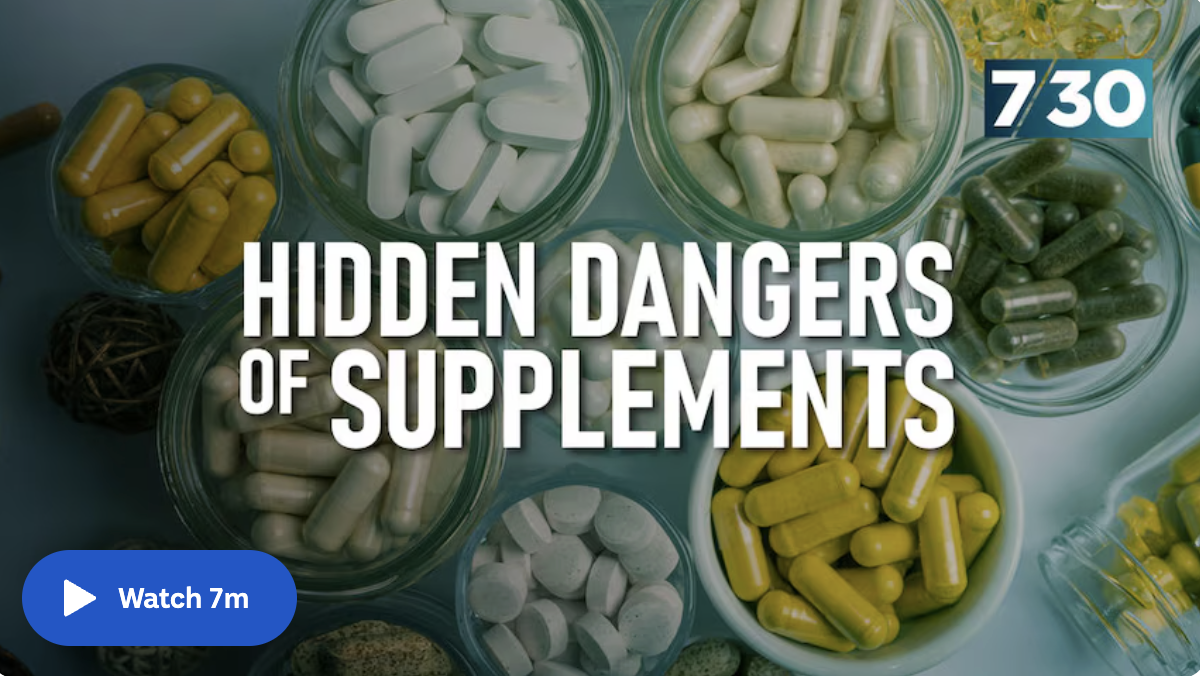
This recognition led the TGA to require neuropathy warnings on products supplying more than 10 mg/day.
The message is getting out there with recent coverage in the media, including this ABC episode of the 7:30 Report.
How much is too much Vitamin B6?
The recommended dietary intake (RDI) for vitamin B6 in Australia is 1.3–1.7 mg per day for adults. You can achieve this amount easily through a balanced diet that includes foods such as chicken, fish, potatoes, bananas, and whole grains — making supplementation unnecessary for most people.
The upper safe limit (UL) established by the National Health and Medical Research Council (NHMRC) is 50 mg per day for adults. This is based on earlier evidence suggesting that neuropathy typically occurred only with chronic intakes above 200 mg/day.
However, more recent Australian research and adverse event data reviewed by the Therapeutic Goods Administration (TGA) indicate that nerve damage can develop at doses as low as 10–50 mg per day if taken over long periods.
How to test for Vitamin B6 toxicity?
Blood testing:
A plasma vitamin B6 test is used to confirm elevated levels. Normal plasma PLP levels are typically <100 nmol/L, while levels in toxicity cases may be five to ten times higher. The test is usually performed through standard pathology laboratories in Australia and can be ordered by a GP or neurologist.
Nerve studies and follow-up:
If symptoms suggest nerve involvement, a nerve conduction study (NCS) may be recommended. This test measures how well electrical signals travel through peripheral nerves and can detect damage consistent with sensory neuropathy. Occasionally, additional tests such as electromyography (EMG) or MRI scans are used to rule out other neurological conditions.

Can I keeping taking my magnesium supplement?
Yes, but if your magnesium supplement has vitamin B6. Small amounts of vitamin B6 are fine for short term use. However, if you are taking magnesium on an ongoing basis, you should consider a supplement with no Vitamin B6. We recommend the RN Labs product: Mixed Mag Forte.
Take home message
Keep total daily B6 intake below 10 mg unless prescribed by a doctor.
Avoid stacking multiple products that contain B6 (for example, a multivitamin, protein powder, and energy drink).
Be cautious with long-term use of fortified sports or weight-loss supplements.
If you experience tingling, burning, or numbness in your hands or feet, stop supplementation. Consult your health practitioner — symptoms may reverse if caught early.